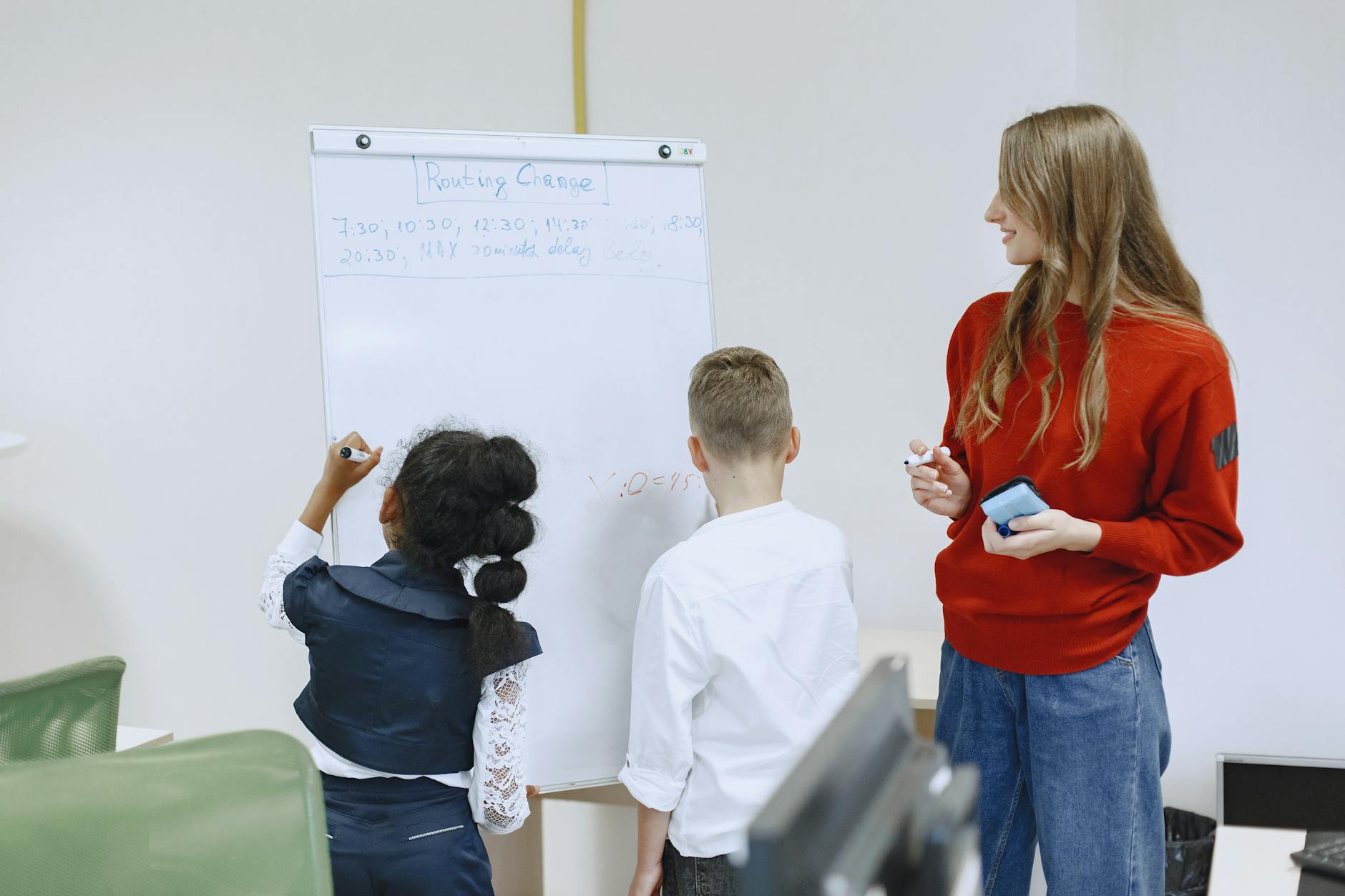
Robotics in High Schools: The Programs That Produce STEM Career Outcomes
High school robotics programs vary widely in quality and outcomes. The programs that produce graduates in STEM careers share specific patterns.
High school robotics programs have spread substantially over the past fifteen years. By 2025, roughly 8,000 US high schools offered some form of robotics program, from after-school clubs to competitive teams to credit-bearing courses. The programs vary widely in structure, funding, and outcomes. A 2025 study from the Robotics Education and Competition Foundation examined outcomes for 12,000 students who participated in high school robotics programs and identified the program features that produce STEM career trajectories.
The Career Outcome Picture
Students who participated in substantive high school robotics programs entered STEM fields at significantly higher rates than peers with similar academic profiles who did not participate. Five years after high school, robotics alumni were 28 percent more likely to be working in engineering, computer science, or related technical fields than matched non-participants.
The effect was largest for students from backgrounds underrepresented in STEM. First-generation college students and students from lower-income families who participated in robotics programs entered STEM careers at rates substantially higher than their non-participating peers, narrowing demographic gaps in STEM workforce participation.
The Program Features That Matter
The study identified several program features that distinguished high-impact programs from less effective ones. Sustained engagement over multiple years produced stronger outcomes than single-season participation. Programs that required substantial student leadership produced stronger outcomes than programs with primarily teacher-driven activities. Programs with strong mentor networks (often involving industry professionals or college students) produced stronger outcomes than programs without external mentors.
The Competition Question
Competitive robotics programs (FIRST, VEX, and similar organizations) produced stronger career outcomes than non-competitive programs. The competitive environment appeared to develop several specific skills: project management under deadlines, collaborative work with shared goals, and resilience after setbacks. These skills transferred to subsequent STEM coursework and careers.
The competitive structure also produced visibility that helped students access college admissions and scholarship opportunities. Top performers in competitive robotics often received recruitment attention from selective engineering programs and from companies offering paid internships to high school students.
The Resource Question
Strong robotics programs require resources. The annual cost of competitive participation ranges from $3,000 to $15,000 per team, depending on the competition and equipment requirements. Schools serving lower-income populations often struggle to fund participation at levels that competitive teams require.
Several organizations have addressed this through equipment grants, sponsorship programs, and competition fee waivers. The interventions have meaningfully expanded access, but disparities remain.
The Mentor Question
The strongest programs maintained relationships with mentors from outside the school: engineers from local companies, college students studying engineering, retired engineers. The mentors provided technical guidance, career insight, and professional network connections that teachers alone could not match.
“The mentor program was the single most important feature for the kids who later became engineers,” said Dr. Kazimierz Wojciechowski, who has studied competitive robotics. “Teachers can teach the technical material. Mentors model what engineering professionals actually do.”
The Gender Pattern
Female participation in robotics has grown but remains below male participation in most programs. The 2025 study found that female robotics alumni entered STEM careers at rates similar to male alumni when controlling for participation depth. The persistent gender gap appears to operate at the recruitment stage rather than at the outcome stage. Programs that have invested in female recruitment (including all-female teams, female mentors, and specific outreach) have generally produced more balanced participation and similar outcomes for their female students.
What Schools Should Consider
For schools considering robotics programs, the research suggests several practical priorities. Sustained multi-year engagement produces stronger outcomes than introductory exposure alone. Competitive programs produce stronger outcomes than non-competitive ones, though the financial cost is real. Mentor networks are at least as important as teacher instruction, and they require deliberate cultivation.
What Students Should Look For
For students considering high school robotics programs, the practical guidance is to seek out programs with multi-year structures, competitive opportunities, and external mentor connections. The variation across programs is substantial, and the depth of engagement matters more than the simple existence of a program.
For students at schools without strong programs, several alternatives exist. Regional or state-level competitions often welcome individual students or small teams. Online communities provide both mentorship and resources. Local engineering firms sometimes sponsor individual students or small groups outside formal school programs.
Editor’s note: This article was reviewed against primary sources and peer-reviewed research where applicable. Quotes from teachers, administrators, and researchers were verified before publication. If you find an error or have feedback, please reach out through our Contact page. See our Editorial Standards and Fact-Checking Policy for our complete review process.