The Quiet Revolution in How Universities Teach Research Methods
Research methods courses have been a fixture of undergraduate education in social sciences for decades. A new generation of these courses looks dramatically different from the traditional format, with results that justify the change.
Research methods courses sit at the center of undergraduate social science training. Students learn how researchers gather data, evaluate evidence, and make causal claims. Until recently, the standard format involved heavy textbook reading, lectures on classical methods, and small exercises with toy datasets. By 2026, a growing number of universities have replaced this format with project-based courses that closely resemble actual research practice. The results are striking enough that the transition is becoming a model for adjacent disciplines.
The redesigns share several features that distinguish them from earlier research methods pedagogy. They emphasize doing research rather than reading about it. They use current real datasets rather than textbook examples. They produce student work that resembles professional research output. They are taught by faculty actively engaged in research rather than primarily by teaching specialists.
The University of North Carolina Example
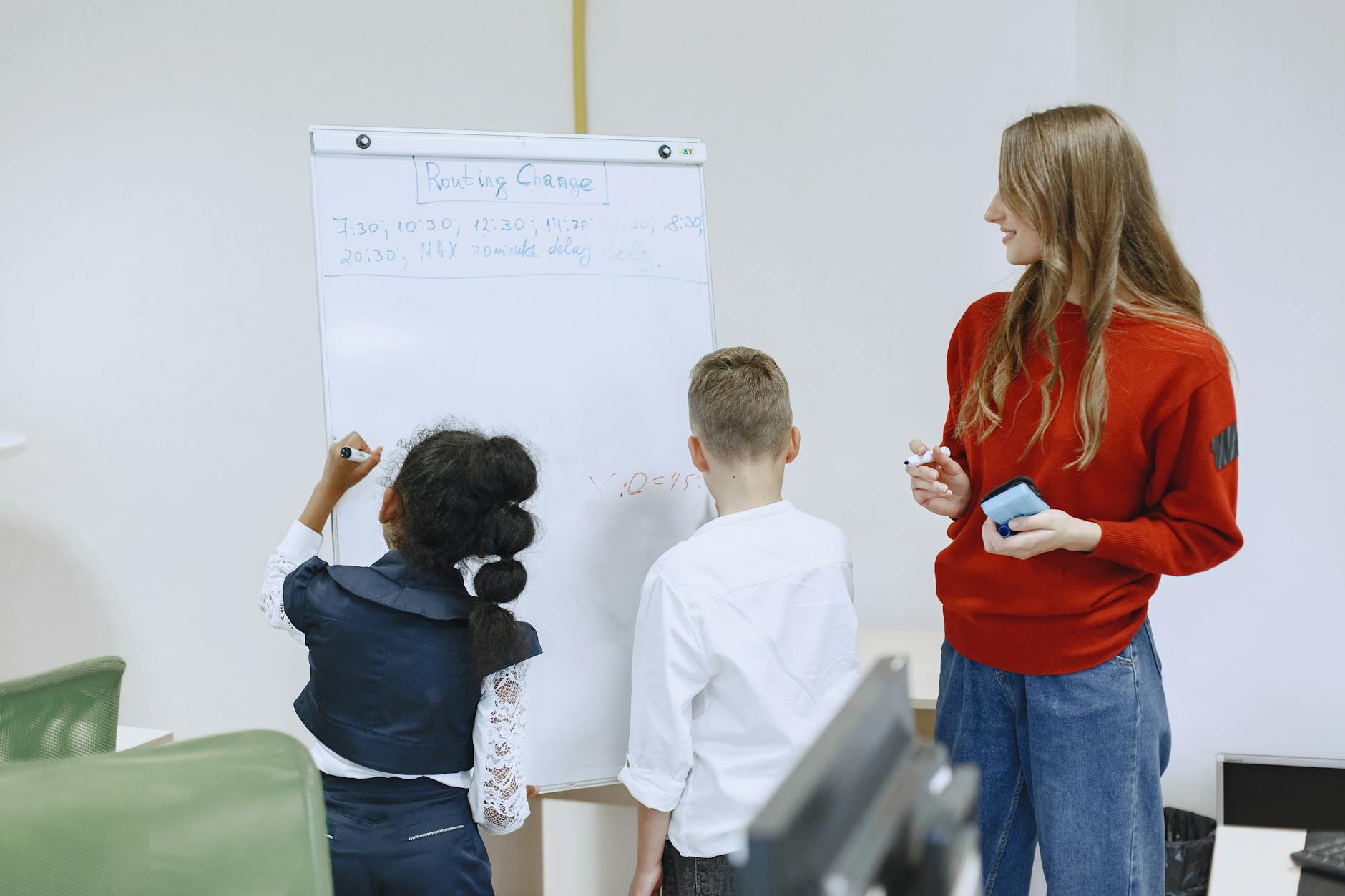
The University of North Carolina at Chapel Hill redesigned its undergraduate psychology research methods sequence in 2022. The new courses require students to design and execute small research projects across the two-course sequence. Students work in teams of three, identify a research question, design an appropriate study, gather data (often through online platforms or campus surveys), analyze results, and present findings.
By the end of the second course, every student has produced a complete research project. The project is not a simulation; it is a real piece of research that students often present at undergraduate conferences. The work is sometimes published in undergraduate journals.
The Outcome Data
UNC’s evaluation of the redesigned sequence, published in 2025, compared student outcomes before and after the transition. Students who completed the new sequence scored significantly higher on standardized research literacy assessments. They were more likely to participate in subsequent faculty research projects. They were more likely to pursue graduate school in psychology or related fields.
The improvements were not limited to high-performing students. Students who would historically have struggled in research methods courses showed the largest gains. The shift from passive learning to active research engagement appeared particularly beneficial for students who had been disengaged with traditional methods coursework.
Why Project-Based Methods Work
The success of project-based methods reflects what cognitive science predicts. Learning is stronger when students engage with material in ways that resemble its eventual use. Students who learn research methods by doing research develop skills they can transfer to subsequent research situations. Students who learn research methods by reading about research often have facts but not skills.
The project format also produces emotional engagement. Students who are pursuing their own research questions invest in the work in ways that students completing standard problem sets typically do not. The investment translates into time spent, attention to detail, and willingness to revise.
The Faculty Engagement Question
The redesigned courses depend heavily on faculty who can supervise student research effectively. Faculty who are themselves active researchers tend to provide better supervision than faculty who teach methods without ongoing research practice. The disparity reflects the difference between abstract knowledge of methods and applied knowledge of how research actually unfolds.
Universities that have made the transition successfully have generally invested in faculty selection and preparation for the redesigned courses. Universities that have tried the transition with available faculty have sometimes produced weaker outcomes, particularly when teaching staff lacked research credentials.
The Cost Question
Project-based methods courses are more labor-intensive than traditional ones. Faculty must supervise multiple student projects rather than deliver a single set of lectures. Class sizes are typically smaller. Teaching assistants need more sophisticated training.
The cost difference is real but has not prevented the redesigns at most institutions that have undertaken them. The benefits in terms of student learning and post-graduation outcomes justify the additional investment in the institutions that have made it.
The Replication Across Disciplines
The project-based methods model is spreading beyond psychology. Sociology, political science, anthropology, and economics have all seen similar redesigns at various universities. The pattern is most advanced in disciplines with strong empirical research traditions and faculty who are comfortable supervising undergraduate research.
The redesign is harder in fields where undergraduate research is less established or where faculty are reluctant to invest in undergraduate work. Some humanities disciplines have begun similar transitions, but the process has been slower than in social sciences.
The Implications for AI Use
Project-based methods courses interact interestingly with the rise of AI tools. Students working on their own research projects often use AI for specific tasks (data cleaning, literature review, code writing) without losing the educational benefits of project work. The cognitive work of designing studies, interpreting results, and writing up findings remains distinctly human work that AI tools cannot replicate.
The pattern contrasts with traditional methods courses, where AI tools can complete standard problem sets quickly enough to undermine learning. The project format is more AI-resistant because the work is more genuinely intellectual.
What This Means for Students
For students considering programs with research methods training, the existence of project-based methods courses is a useful signal. Programs that have completed the transition tend to be programs that take undergraduate education seriously. Programs that have maintained traditional textbook-based courses are often producing graduates with weaker research skills than programs with redesigned approaches.
For students currently in research methods courses, the practical implication is to seek out research experiences beyond required coursework. Students who participate in faculty research, work as research assistants, or pursue independent projects develop skills that pure coursework, however well designed, cannot fully build.
The Larger Pattern
The research methods transformation is part of a broader shift in undergraduate social science education. The era of teaching methods abstractly is ending. The replacement involves more active student engagement, more applied work, and more authentic intellectual experiences. The institutions that complete this transition produce graduates whose research literacy distinguishes them in graduate school applications and in research-intensive careers. The pattern is likely to continue spreading across disciplines that depend on empirical work.
Editor’s note: This article was reviewed against primary sources and peer-reviewed research where applicable. Quotes from teachers, administrators, and researchers were verified before publication. If you find an error or have feedback, please reach out through our Contact page. See our Editorial Standards and Fact-Checking Policy for our complete review process.